What Does It Mean When a Floor "Fails"?
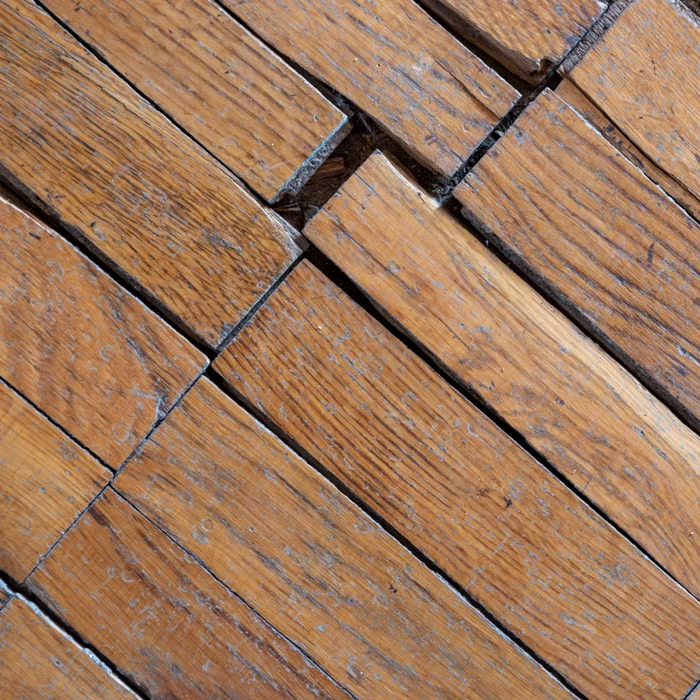
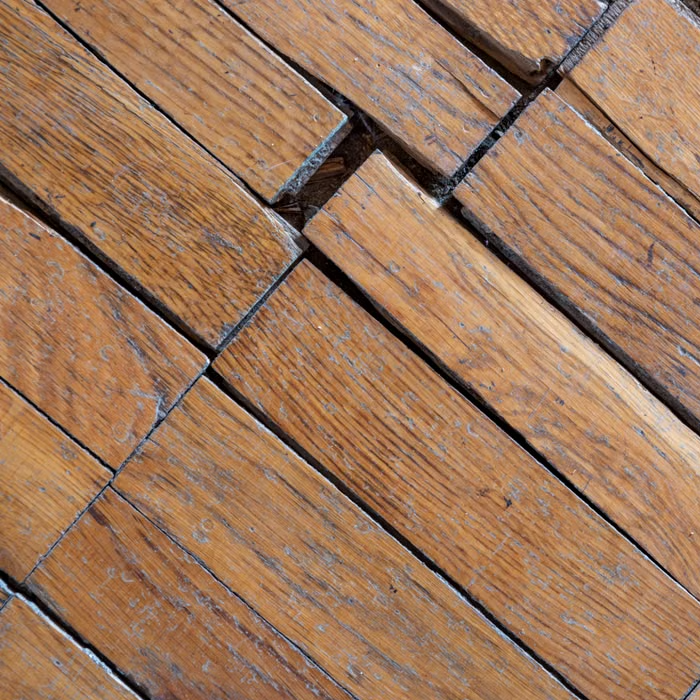
Floor failure doesn't necessarily mean the entire floor has been destroyed.
A floor can be considered to have failed when it no longer performs or looks the way it was intended to.
Examples include:
Some problems are cosmetic, while others can indicate an underlying installation or subfloor issue.
1. Poor Subfloor Preparation
One of the biggest reasons flooring problems develop is what happens underneath the flooring.
Your new flooring needs an appropriate surface to be installed over. If the subfloor is damaged, uneven, unstable, or otherwise unsuitable, problems can eventually show through the finished floor.
A subfloor may have:
Installing beautiful new flooring over a problematic surface doesn't make the underlying problem disappear.
Why Does an Uneven Subfloor Matter?
An uneven subfloor can create excessive movement or stress on the flooring.
Depending on the flooring system, this can contribute to:
That's why floor preparation is such an important part of a successful flooring installation.
2. Moisture Problems
Water is one of the biggest enemies of many flooring materials.
Moisture can come from several places, including:
The source of the moisture matters just as much as the flooring itself.
For example, installing flooring over a subfloor that has an unresolved leak can lead to problems even if the flooring product itself is designed to resist moisture.
Moisture Can Cause Different Problems Depending on the Flooring
Hardwood may swell, cup, or warp.
Laminate can be vulnerable to moisture depending on its construction and installation.
Tile may be highly moisture resistant, but moisture can still create problems within the underlying installation assembly.
Vinyl flooring has varying levels of water resistance depending on the product and installation.
The lesson is simple:
Water-resistant flooring doesn't fix a water problem underneath the floor.
3. Improper Installation
Even a high-quality flooring product can experience problems when it isn't installed according to its requirements.
Installation requirements vary depending on the flooring.
They can involve:
A flooring product should be installed according to the manufacturer's requirements and the conditions of the specific project.
4. Not Allowing for Expansion and Contraction
Many flooring materials respond to changes in temperature and humidity.
Wood flooring, for example, naturally expands and contracts as environmental conditions change.
If flooring doesn't have the appropriate room to move, pressure can build within the installation.
Depending on the material and installation, this can contribute to:
This is one reason installation details around walls, cabinets, doorways, and transitions matter.
Why Are Expansion Gaps Important?
An expansion gap provides space for flooring to move without pushing against surrounding structures.
The exact requirements depend on the flooring product and manufacturer.
It's not something that should be guessed or treated as optional.
5. Choosing the Wrong Flooring for the Room
Sometimes the problem isn't that the flooring is defective.
It's that the flooring isn't appropriate for the environment.
Think about the difference between:
A formal dining room
and
A mudroom where four people and two dogs enter the house every day.
They experience very different conditions.
When choosing flooring, consider:
A flooring product should fit the way the room is actually used.
6. Skipping Necessary Floor Leveling
A floor doesn't have to look dramatically uneven for leveling or other preparation to be necessary.
Small variations can become much more noticeable once a new flooring product is installed.
This is particularly important for certain rigid flooring systems that have specific flatness requirements.
If a subfloor isn't within the manufacturer's required tolerances, the installation may not perform as intended.
Leveling Isn't Always Required
Not every flooring project requires extensive leveling.
The appropriate preparation depends on:
A professional assessment can determine what preparation is actually necessary.
7. Poor Moisture Control During Installation
Moisture isn't only a concern after the flooring is installed.
It can also matter before installation begins.
Concrete subfloors, for example, can contain moisture that needs to be evaluated before certain flooring products are installed.
If moisture conditions aren't appropriate for the selected flooring and installation system, problems can develop later.
That's why moisture testing and following manufacturer requirements can be an important part of flooring preparation.
8. Using the Wrong Adhesive or Installation Materials
Some flooring products are glued down.
Others float.
Others are nailed or stapled.
And the adhesives, underlayments, fasteners, and other installation materials aren't necessarily interchangeable.
Using the wrong material—or using the right material incorrectly—can contribute to installation problems.
For adhesive installations, factors such as:
can all matter.
The correct installation system should be determined based on the flooring manufacturer's requirements.
9. Improper Acclimation or Job-Site Conditions
Certain flooring products require specific environmental conditions before and during installation.
This can be especially important with wood flooring.
Temperature and humidity can affect flooring materials, subfloors, adhesives, and the overall installation.
Depending on the product, the manufacturer may specify requirements for:
Following those requirements can help reduce problems related to environmental changes.
10. Heavy Traffic and Normal Wear
Not every flooring problem is an installation failure.
Sometimes flooring simply experiences a lot of wear.
High-traffic areas can experience more:
That's why flooring should be selected based on how much use the room receives.
A product that performs beautifully in a lightly used guest bedroom may not be the best fit for a busy entryway.
For more information, check out our guide to the best flooring for high-traffic areas.
11. Furniture Can Damage Flooring
Heavy furniture can put significant pressure on flooring.
Moving furniture across the floor can also cause scratches, dents, or other surface damage.
This doesn't necessarily mean your flooring is defective.
It's simply one of the things that flooring has to withstand during everyday life.
Using appropriate furniture pads and lifting rather than dragging heavy furniture can help reduce unnecessary damage.
12. Dirt and Grit Are Left on the Floor
Small particles can cause surprisingly significant wear over time.
Sand, dirt, and grit can become trapped underneath shoes and repeatedly dragged across flooring.
This can act like an abrasive and contribute to surface wear.
Entry mats and regular sweeping or vacuuming can help reduce this problem.
This is especially important during winter when road salt, sand, and ice-melt products can be tracked into your home.
13. Using the Wrong Cleaning Products
Your flooring doesn't necessarily need the strongest cleaner available.
In fact, using the wrong cleaning product can potentially damage certain flooring surfaces or finishes.
Common mistakes include:
Always follow the flooring manufacturer's cleaning recommendations.
14. Sunlight and UV Exposure
Natural light can be beautiful—but prolonged sunlight can affect some flooring materials and finishes.
Wood flooring, for example, can experience changes in color over time due to exposure to light.
This doesn't necessarily mean the floor is failing.
It's a natural characteristic that should be considered when choosing flooring and arranging furniture and rugs.
Window treatments and rotating rugs or furniture when appropriate can help create more even exposure.
15. Poor Transitions Between Flooring Materials
Transitions are often overlooked during flooring projects.
A new floor may meet:
If transitions aren't properly planned, you can end up with differences in height, awkward seams, or areas that experience unnecessary stress.
A flooring project should consider how the new floor connects to the rest of the home—not just how it looks in the middle of the room.
16. Existing Problems Are Covered Instead of Corrected
Sometimes the easiest-looking solution is to install new flooring directly over an existing problem.
But covering an issue doesn't necessarily fix it.
If the existing subfloor is damaged, wet, unstable, or significantly uneven, installing another material over it may simply hide the problem temporarily.
Eventually, the underlying issue may affect the new flooring.
That's why proper inspection and preparation are so important.
17. The Home's Environment Changes
Your home isn't a controlled laboratory.
Temperature and humidity change throughout the year.
In Pennsylvania, flooring can experience very different environmental conditions between a cold, dry winter and a warm, humid summer.
Those changes can affect certain flooring materials, particularly wood products.
Maintaining a reasonably stable indoor environment can help reduce extreme seasonal movement.
Which Flooring Problems Are Fixable?
Not every flooring problem means the entire floor needs to be replaced.
Depending on the problem and flooring type, some issues may be repairable.
Potentially Repairable Problems
Problems That May Require More Extensive Work
The appropriate solution depends on the flooring material, extent of the damage, and condition of the underlying structure.
How Can You Prevent Flooring Failure?
You don't have complete control over everything that happens to your floors, but there are several things you can do to reduce the risk of problems.
Before Installation
Choose the right flooring for the room.
Consider traffic, moisture, pets, children, and maintenance.
Have the subfloor evaluated.
Don't assume the surface underneath is perfect simply because the existing floor looks good.
Address moisture problems first.
A new floor shouldn't be used to cover an unresolved water problem.
Understand the installation requirements.
Ask what preparation your flooring requires.
During Installation
Follow manufacturer requirements.
Installation specifications exist for a reason.
Don't skip necessary preparation.
Leveling, repairs, moisture control, or other preparation may be essential to the installation.
Plan transitions.
Consider how the new floor will connect with surrounding rooms.
After Installation
Clean according to manufacturer recommendations.
Avoid harsh or inappropriate cleaning products.
Protect the floor from grit.
Use entry mats and sweep or vacuum regularly.
Protect furniture.
Use appropriate pads and avoid dragging heavy objects.
Address spills quickly.
Don't allow moisture to sit unnecessarily.
The Bottom Line: Floors Usually Don't Fail for Just One Reason
When a floor develops a problem, it's tempting to point to one thing and say, "The flooring failed."
But flooring is a system.
The flooring material, subfloor, installation method, moisture conditions, environment, maintenance, and everyday use can all play a role in how a floor performs.
That's why choosing the right product is only one part of a successful flooring project.
Proper preparation and installation matter just as much.