1. Your Floors Are Showing Significant Wear and Tear
A few scratches or scuffs don't necessarily mean you need new flooring. Most floors will develop some signs of wear over time.
However, when scratches, dents, stains, and worn areas become widespread, repairs may no longer be enough.
Look for:
If your floor looks noticeably different in high-traffic areas compared with the rest of the room, that's a good indication that years of use have taken their toll.
2. Your Floorboards Are Warping or Buckling
Warping, buckling, or curling flooring shouldn't be ignored.
This is especially common with certain types of wood, laminate, and other flooring materials exposed to excess moisture. Water from leaks, spills, plumbing problems, or high humidity can cause flooring to change shape.
If your floorboards are lifting, separating, swelling, or developing noticeable waves, the problem may be more than cosmetic.
In some cases, damaged sections can be replaced individually. But if moisture damage is widespread—or the underlying issue isn't addressed—replacing the entire floor may be the better long-term solution.
Important: If your flooring has significant water damage, identify and fix the source of the moisture before installing new flooring.
3. Your Floors Feel Soft or Spongy
Your floor shouldn't feel noticeably soft, weak, or spongy when you walk across it.
Soft spots can indicate problems underneath the flooring, including damaged subflooring or moisture-related deterioration.
Pay attention if you notice:
These issues can sometimes indicate a problem beneath the visible flooring, so it's worth having the area inspected before simply covering it up.
4. You Keep Repairing the Same Problem
One repair isn't necessarily a reason to replace your floor.
But if you're constantly fixing the same areas, replacing individual boards, patching damaged sections, or trying to hide stains and scratches, you may be spending money on a temporary solution.
Think about the total cost of continued repairs compared with the cost of new flooring.
If repairs are becoming frequent and the floor is still looking worn, replacement may provide better value in the long run.
5. Your Flooring Is Difficult To Keep Clean
Older flooring can become increasingly difficult to maintain.
Deep scratches, worn finishes, damaged seams, and accumulated staining can create places where dirt and grime collect. Some flooring can also become difficult to clean properly once its protective surface has deteriorated.
If you've noticed that your floors never quite look clean—even immediately after you've cleaned them—it may be time to consider whether the flooring itself is the problem.
New flooring can give your space a clean, refreshed appearance while also making everyday maintenance easier.
6. You Notice Cracks, Gaps, or Separation
A few small imperfections may be normal depending on the type and age of your flooring.
However, widespread cracking, large gaps, separating boards, or deteriorating seams can signal that your flooring is reaching the end of its useful life.
These problems can also make a floor less comfortable and potentially create tripping hazards.
If the damage is becoming more noticeable or continues to spread despite repairs, replacement may be the better option.
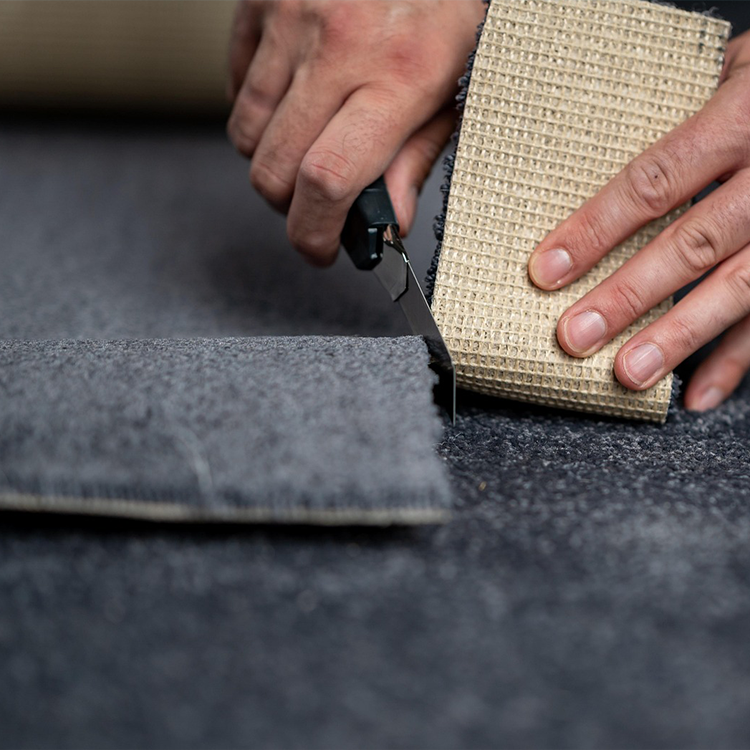
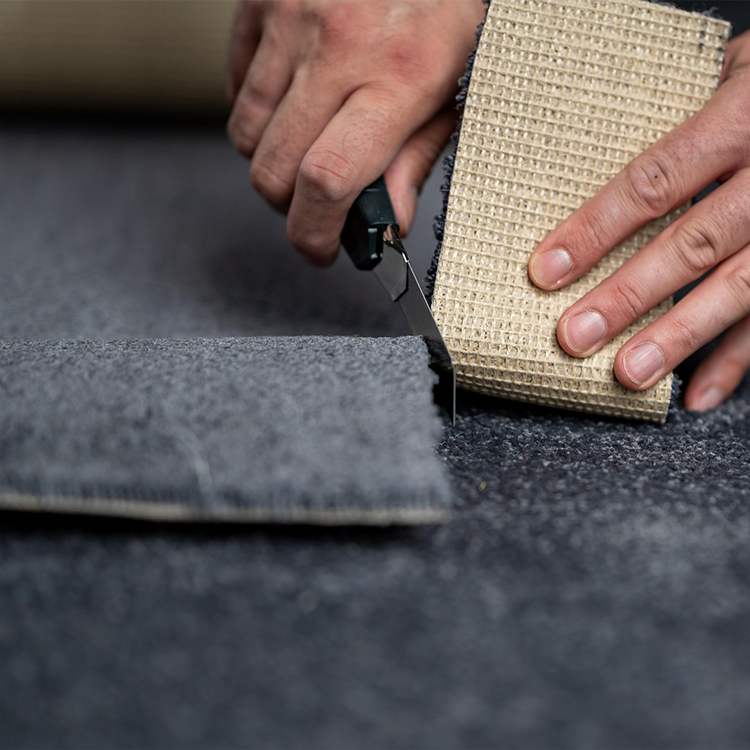
7. Your Carpet Is Permanently Stained or Flattened
Carpet has a lifespan, and eventually regular cleaning can't bring it back to its original condition.
Consider replacing your carpet if you notice:
If you've already tried professional cleaning and the carpet still looks tired, replacement can make a dramatic difference in the appearance of the room.
8. Your Flooring Is Outdated
Not every reason to replace your floors has to involve damage.
Sometimes, you simply don't like your flooring anymore.
Flooring trends, interior styles, and your personal tastes change. If your floors make your home feel dated or clash with the look you're trying to create, replacing them can completely transform the space.
New flooring can help modernize a room without requiring a full renovation.
And with so many options available today, you can choose flooring based on your lifestyle—not just appearance.
9. Your Floors Don't Work For Your Lifestyle Anymore
The flooring that worked for you five or ten years ago may not be the best choice today.
Maybe you have pets now. Maybe you have young children. Maybe you're dealing with significantly more foot traffic. Or maybe you're simply tired of constantly worrying about spills and scratches.
Your flooring should fit the way you actually live.
For example, a homeowner with pets may prioritize scratch resistance and easy cleaning, while someone renovating a low-traffic bedroom may place more emphasis on comfort and appearance.
When your flooring constantly feels like something you have to work around, it may be time for a change.
10. You're Renovating the Room Anyway
If you're already planning a major renovation, it's worth considering your floors before everything else goes back together.
Replacing flooring while a room is already being renovated can be more convenient than waiting until later.
It can also help create a more cohesive finished design. New flooring can serve as the foundation for your walls, furniture, lighting, and décor.
Repair or Replace: Which Is Right For You?
Not every damaged floor needs to be completely replaced.
A professional flooring assessment can help determine whether your floor needs:
A simple repair: Best for isolated scratches, individual damaged boards, small sections of wear, or minor issues.
Refinishing: A good option for certain hardwood floors where the underlying material is still in good condition.
Deep cleaning: Sometimes all your flooring needs is professional cleaning to restore its appearance.
Replacement: The better option when damage is widespread, the flooring has reached the end of its lifespan, or repairs are no longer cost-effective.
The key is figuring out whether you're dealing with a surface-level problem or a sign that the flooring itself has reached the end of its useful life.
Don't Ignore the Warning Signs
Your floors are one of the largest visual elements in your home, but they're also an important part of your home's functionality and safety.
If you're seeing widespread damage, moisture problems, soft spots, persistent stains, or other issues that keep coming back, don't simply cover them up with a rug and hope for the best.
Sometimes a repair is all you need.
Other times, it's time to start fresh.
If you're unsure which option makes sense for your home, a flooring professional can evaluate the condition of your existing floors and help you determine whether repair, refinishing, or replacement is the best solution.