Why an Inspiration Board Matters
An inspiration board serves as a visual roadmap for your project.
A well-designed board helps you:
Clear direction leads to better outcomes.
Step 1: Define Your Project Goals
Before collecting images, identify what you want to achieve.
Ask yourself:
Clear goals guide your inspiration process.
Step 2: Gather Visual Inspiration
Start collecting images that reflect your preferences.
Where to Find Ideas
Save anything that captures your attention, even if you are unsure why.
Step 3: Identify Common Themes
Review your collected images and look for patterns.
Elements to Notice
Recognizing themes helps refine your vision.
Step 4: Choose a Color Direction
A strong color foundation keeps your design cohesive.
Color Planning Tips
Consistent color choices improve visual harmony.
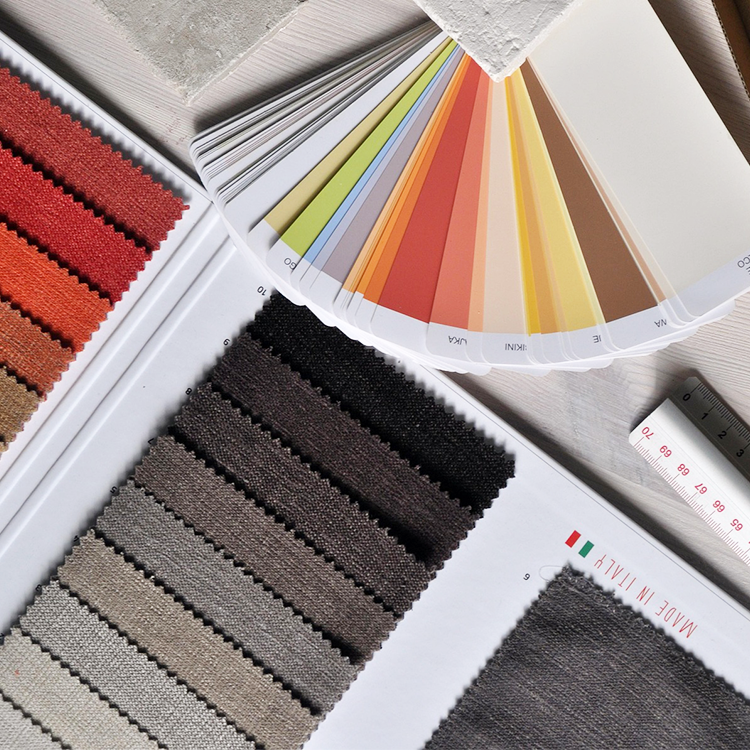
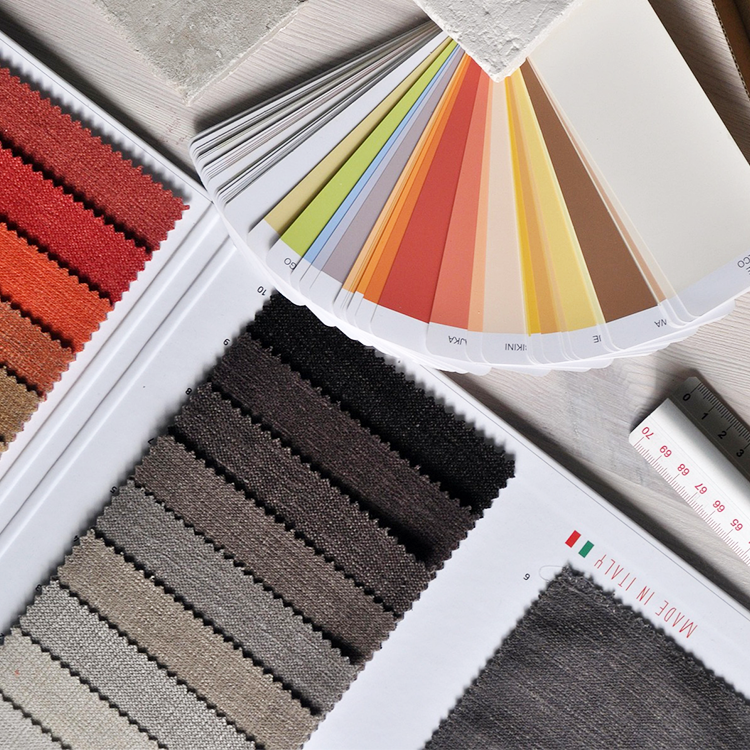
Step 5: Include Materials and Finishes
Your board should represent real products whenever possible.
Important Materials to Add
Physical samples help you evaluate texture and quality.
Step 6: Balance Style and Function
Great design must work for daily living.
Functional Considerations
Function ensures long-term satisfaction.
Step 7: Organize Your Board Clearly
Arrange your inspiration in a logical, readable format.
Organization Tips
Organization improves clarity.
Step 8: Review and Refine Your Choices
Editing is just as important as collecting ideas.
Refinement Tips
Refinement prevents design conflicts.
Step 9: Share Your Board with Professionals
An inspiration board helps designers and contractors understand your vision.
Benefits of Sharing
Shared understanding saves time and money.
Digital vs Physical Inspiration Boards
Both formats offer advantages.
Digital Boards
Physical Boards
Choose the format that fits your workflow.
Common Inspiration Board Mistakes to Avoid
Avoiding common errors improves results.
Thoughtful planning prevents regret.