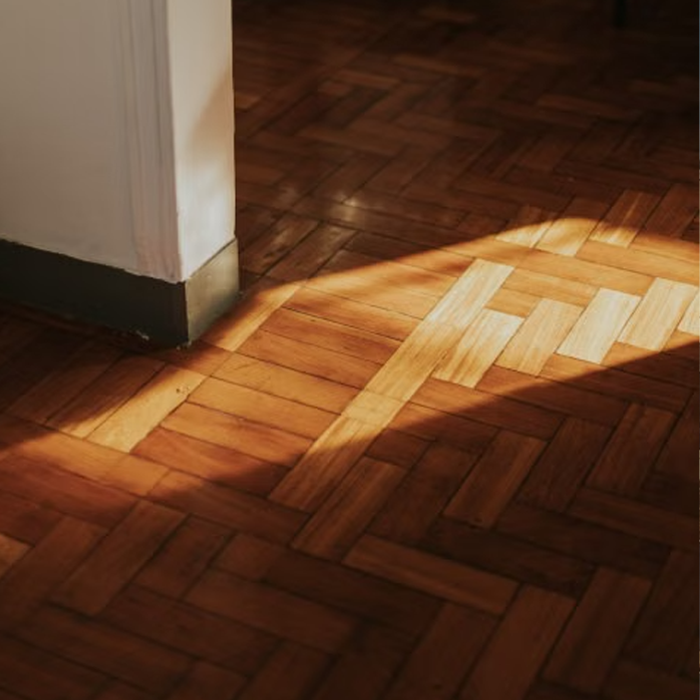
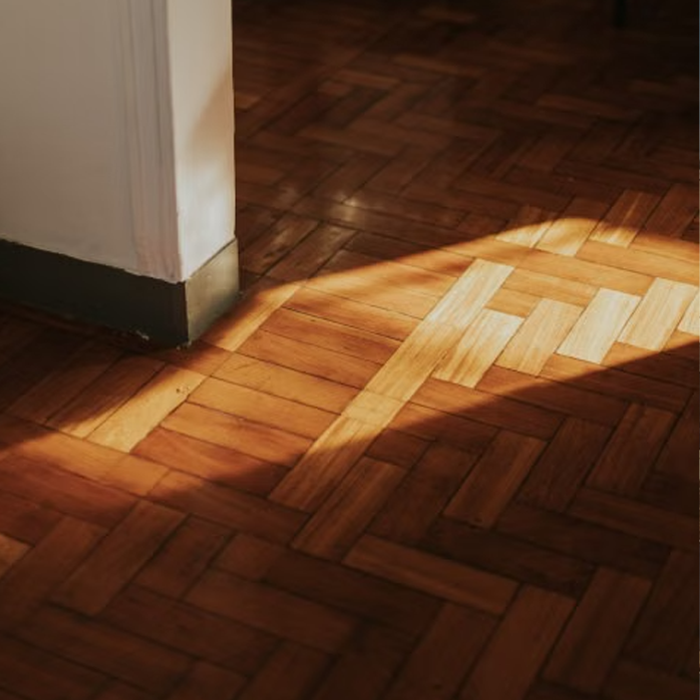
Why Does Lighting Change the Appearance of Wood Flooring?
Wood flooring has natural variations in color, grain, texture, and finish. When light hits the surface, it interacts with those characteristics and changes how our eyes perceive the color.
Several factors can affect the appearance of your flooring, including:
A flooring sample that looks perfect under bright showroom lighting may look noticeably different in your home.
That's why looking at flooring samples in the actual space where they will be installed can be helpful.
How Natural Light Affects Wood Flooring
Natural sunlight is one of the biggest factors affecting how your flooring looks.
A room with large windows and plenty of sunlight may make flooring appear brighter and more vibrant. A room with limited natural light may make the same flooring appear darker or more subdued.
The direction your windows face can also affect the appearance of your floors throughout the day.
Morning Light
Morning sunlight can have a different appearance than afternoon sunlight.
Depending on the direction and amount of sunlight entering the room, your flooring may appear lighter, warmer, or more neutral in the morning.
Afternoon Light
As the sun moves throughout the day, the angle and intensity of the light change.
This can make your flooring appear different later in the afternoon compared with how it looked earlier in the day.
Low-Light Rooms
Rooms with limited windows or little natural light can make flooring colors appear darker.
If you're choosing a darker wood floor for a room that doesn't receive much sunlight, consider looking at larger samples in the actual space before making your final decision.
How Artificial Lighting Changes Flooring Color
Natural light isn't the only thing that affects your floors.
The artificial lighting in your home can also change how flooring colors appear.
Different light bulbs produce different color temperatures. As a result, the same flooring can look noticeably different under one type of bulb compared with another.
Warm Lighting
Warm-colored lighting can emphasize warm tones in wood flooring.
Floors with brown, tan, honey, golden, or reddish undertones may appear especially warm under this type of lighting.
Cool Lighting
Cooler lighting can make certain flooring colors appear more neutral or slightly cooler.
A flooring color that looks warm under one light source may appear more gray or neutral under another.
Neutral Lighting
Lighting closer to natural daylight can provide a more balanced representation of the flooring's color.
However, even neutral lighting won't necessarily make the flooring look exactly the same as it does in natural sunlight.
Why Flooring Samples Can Look Different at Home
Flooring showrooms are designed to help you see products clearly, but the lighting conditions in a showroom aren't necessarily the same as the lighting in your home.
Your home may have:
All of these factors can influence how you perceive the color of your flooring.
That's why it's a good idea to take samples home when possible and view them in the room where they'll be installed.
Don't Forget About Your Walls
Your flooring doesn't exist in isolation.
The color of your walls can also affect how your floors appear.
For example, warm-colored walls can make a wood floor appear warmer, while cool gray or blue tones may make the same floor appear more neutral or cool.
Even white walls can influence the appearance of your flooring because different shades of white have different undertones.
If you're replacing both your flooring and your wall color, consider how the two will work together before making your final selections.
Does Sunlight Change the Color of Wood Floors?
It can.
Over time, exposure to sunlight can contribute to changes in the appearance of natural wood flooring. The amount of change can vary depending on the species of wood, finish, amount of UV exposure, and other factors.
This is particularly important when furniture or rugs cover portions of the floor.
If part of your floor receives significantly different exposure than another area, you may eventually notice differences in color.
Window treatments can help control the amount of direct sunlight entering a room and may help reduce excessive exposure.
How to Choose the Right Wood Flooring Color for Your Home
When selecting a flooring color, don't rely on a tiny sample under showroom lighting alone.
Instead, try these tips:
1. Look at a Larger Sample
Larger samples give you a better idea of what the flooring will look like across a larger area.
2. View It at Different Times of Day
Look at the sample in the morning, afternoon, and evening.
You may be surprised by how much the appearance changes.
3. Look at It Under Your Existing Lights
Turn on the lights you normally use in the room and see how the flooring looks.
4. Compare It With Your Walls and Cabinets
Place the sample near your walls, cabinets, trim, and other permanent finishes.
This can help you see whether the undertones work together.
5. Consider the Room's Natural Light
A color that looks great in a bright, sunny room may not have the same appearance in a darker space.
6. Don't Judge the Color From a Photograph Alone
Photos can be useful for narrowing down your options, but cameras, screens, and lighting can all affect how a flooring color appears.
Whenever possible, view a physical sample in your home.
Warm vs. Cool Wood Flooring: Which Is Right for You?
There's no universal "right" wood flooring color.
The best choice depends on the look you're trying to create and how the flooring works with the rest of your home.
Warm Wood Tones
Warm flooring colors can include:
These colors can complement other warm finishes and create a cozy appearance.
Cool Wood Tones
Cooler flooring colors may include:
These colors can work well with contemporary and modern design styles.
Neutral Wood Tones
Neutral flooring can be a versatile option when you want something that works with a variety of furniture and décor.
If you're unsure whether you want a warm or cool floor, comparing samples against your existing finishes can help narrow down your options.
What About Wood-Look Flooring?
The same lighting considerations apply to wood-look flooring such as luxury vinyl plank and laminate.
Even though these products aren't natural hardwood, their printed designs and surface finishes are intended to recreate the appearance of real wood.
Lighting can still influence how you perceive their colors and undertones.
That's another reason why viewing samples in your actual home is important when choosing a new floor.
The Bottom Line: Always Consider Your Lighting
Choosing a flooring color isn't just about picking the shade you like best in a showroom.
Your home's lighting can change how that color looks once it's installed.
Before making your final decision, consider your natural light, artificial lighting, wall colors, cabinets, furniture, and other finishes.
And when possible, bring flooring samples into your home and look at them throughout the day.
A little extra consideration before installation can help you feel much more confident about your flooring choice.