
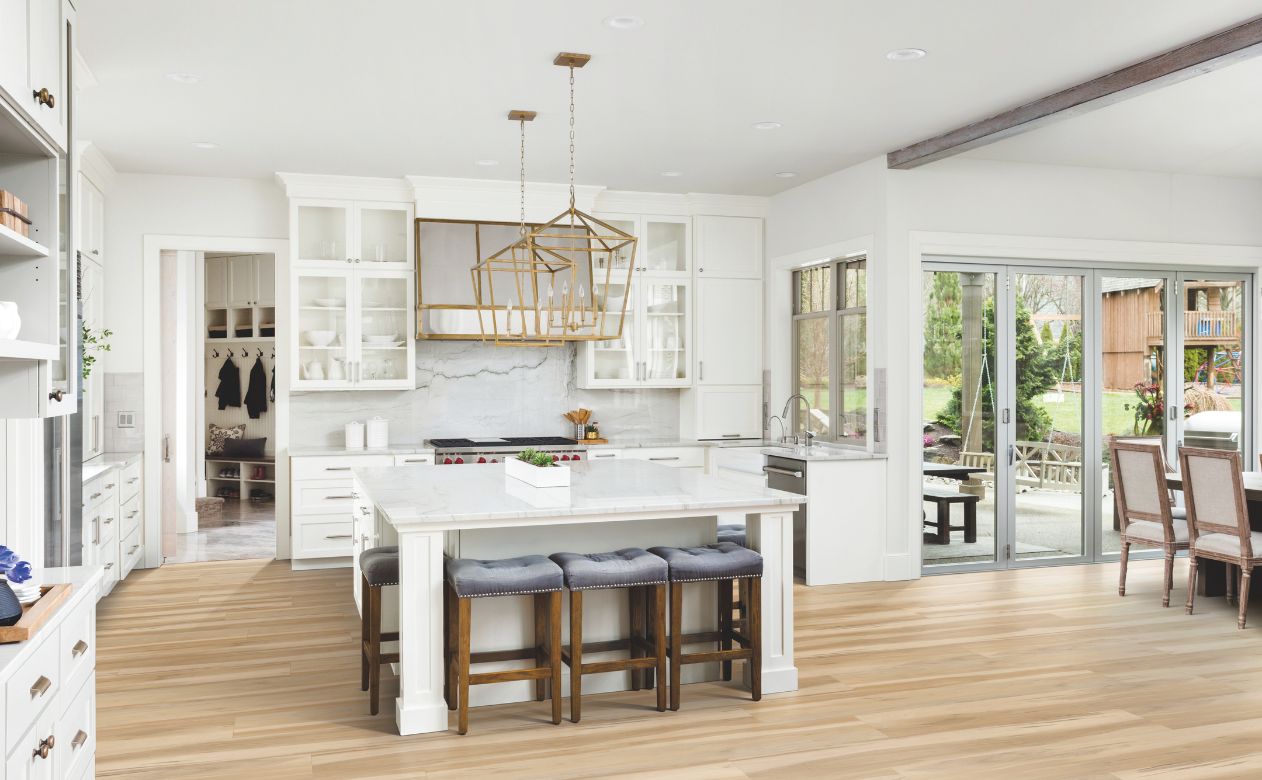
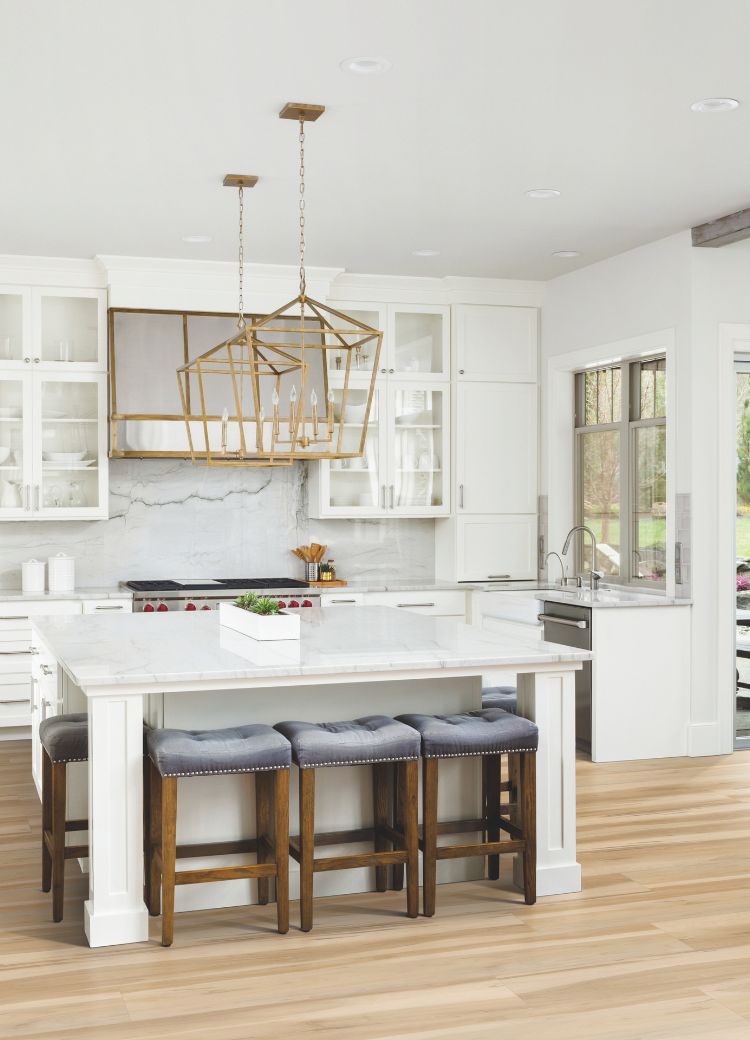
The kitchen is one of the most heavily used spaces in any home. From daily cooking and family meals to entertaining and gathering, your kitchen floor must handle constant activity while still looking beautiful.
Choosing the right kitchen flooring means finding the perfect balance between style, durability, comfort, and easy maintenance. This guide explores the best flooring options for kitchens and the key features that help your floors perform for years to come.
Unlike other rooms, kitchens are exposed to frequent spills, moisture, heat, and heavy foot traffic. Your flooring must be able to withstand these conditions without losing its appearance. High-quality kitchen flooring should:
• Resist water and stains
• Handle heavy use
• Clean easily
• Provide slip resistance
• Maintain visual appeal
• Support long-term value
Selecting the right material protects your investment and enhances your kitchen design.
Before choosing a specific material, focus on the performance features that matter most in kitchen environments.
1. Water and Moisture Resistance
Spills, splashes, and sink overflow are common in kitchens. Flooring that resists moisture helps prevent warping, swelling, and damage. Water-resistant or waterproof options are ideal for long-term performance.
2. Durability and Wear Resistance
Kitchens experience constant foot traffic, dropped utensils, and moving chairs. Durable flooring resists dents, scratches, and surface wear. Look for strong core materials and protective finishes.
3. Easy Cleaning and Maintenance
Kitchen floors should be simple to maintain. Materials that resist staining and don’t trap dirt make daily cleanup faster and easier. Low-maintenance flooring saves time and preserves appearance.
4. Slip Resistance and Safety
Wet floors can become slippery. Flooring with textured surfaces or matte finishes improves traction and reduces the risk of falls. Safety is especially important in busy family kitchens.
5. Comfort Underfoot
Standing for long periods while cooking can be tiring. Flooring that provides slight cushioning and temperature balance improves comfort. Comfort-focused materials reduce fatigue and noise.
Several flooring types consistently perform well in kitchen environments when properly selected and installed.
Luxury vinyl is one of the most popular kitchen flooring options due to its durability, waterproof construction, and wide range of design choices. Benefits:
• Waterproof performance
• Scratch and stain resistance
• Comfortable underfoot
• Easy maintenance
• Realistic wood and stone visuals
Luxury vinyl works well in both traditional and modern kitchens.
Tile remains a classic kitchen flooring choice thanks to its durability and moisture resistance. Benefits:
• Waterproof surface
• Heat resistance
• Long lifespan
• Wide design variety
• Easy sanitation
Proper installation and grout sealing are essential for long-term performance.
For homeowners who want natural wood beauty in the kitchen, engineered hardwood offers improved stability compared to solid wood. Benefits:
• Real wood appearance
• Greater moisture resistance than solid hardwood
• Timeless design
• Increased home value
Professional installation and routine maintenance are important for kitchen use.
Modern laminate has improved significantly and can be a practical option for kitchens when moisture-resistant varieties are chosen. Benefits:
• Budget-friendly
• Realistic wood visuals
• Scratch resistance
• Easy installation
Water-resistant technology makes newer laminate suitable for many kitchens.
Stone flooring adds luxury and character to high-end kitchen designs. Benefits:
• Unique appearance
• Exceptional durability
• Heat resistance
• Increased property value
Stone requires sealing and ongoing care to maintain performance.
Some materials may struggle in high-moisture, high-traffic kitchen environments.
• Solid hardwood: Vulnerable to water damage
• Traditional carpet: Absorbs spills and odors
• Soft cork: Prone to moisture issues without proper sealing
These materials may require extra maintenance or protective measures.
Your flooring should complement your cabinetry, countertops, and overall kitchen design.
Modern Kitchens
• Large-format tile
• Concrete-look vinyl
• Wide plank luxury vinyl
• Neutral tones
Traditional Kitchens
• Engineered hardwood
• Warm-toned tile
• Classic wood looks
• Medium plank widths
Farmhouse and Rustic Kitchens
• Distressed wood-look vinyl
• Textured laminate
• Wide planks
• Natural finishes
Transitional Kitchens
• Neutral-toned hardwood
• Subtle stone visuals
• Balanced textures
• Greige and beige tones
Coordinating materials creates visual harmony.
Even the best materials can fail without proper installation. Kitchens require careful moisture management, precise cuts, and strong subfloor preparation. Professional installation ensures:
• Proper waterproofing
• Secure seams
• Level surfaces
• Warranty protection
• Long-term durability
Quality installation is essential for lasting results.
Protecting your kitchen flooring helps maximize its lifespan. Helpful maintenance tips include:
• Wiping spills immediately
• Using protective mats near sinks
• Placing felt pads on chairs
• Cleaning with approved products
• Avoiding excess water
Routine care preserves beauty and performance.
Your kitchen deserves flooring that combines stunning design with dependable durability. With the right materials and professional guidance, you can create a space that supports everyday life and enhances your home’s value.
At Feasterville Floor, our kitchen remodeling and flooring specialists help homeowners choose the best solutions for style, performance, and budget. From product selection to expert installation, we manage every detail.
Ready to upgrade your kitchen with beautiful, long-lasting flooring? Let us help you create a kitchen where beauty truly meets durability.
Contact Feasterville Floor today to speak with a knowledgeable associate and schedule your personalized consultation.
Thank you for contacting us. Your local flooring expert will reach out to you regarding your inquiry.