So, what is the best flooring for pets?
For many pet owners, luxury vinyl flooring is a practical choice because it combines durability, moisture resistance, easy maintenance, and a wide variety of styles. However, it's not the only option. Depending on your pets, lifestyle, and the room you're flooring, hardwood, laminate, tile, and carpet can all have a place in a pet-friendly home.
Let's take a closer look.
What Should You Look for in Pet-Friendly Flooring?
Before choosing a flooring material, think about how your pets actually use your home.
A good pet-friendly floor should ideally be able to handle:
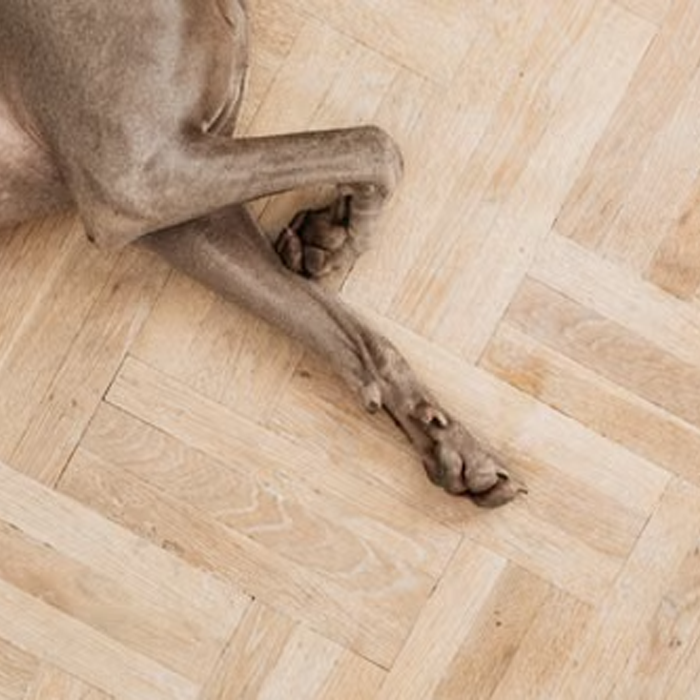
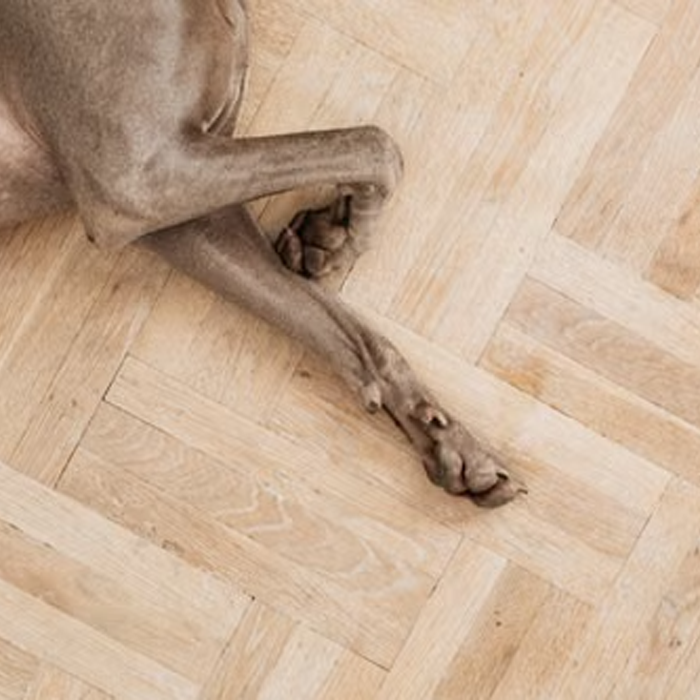
You should also consider traction and comfort. A perfectly durable floor isn't necessarily the best choice if your pet constantly slips while running across it.
The right flooring ultimately depends on your particular pet and your home.
1. Luxury Vinyl Flooring
One of the Most Practical Choices for Pet Owners
Luxury vinyl plank (LVP) and luxury vinyl tile (LVT) have become popular options for homeowners with pets.
Why?
Because they offer many of the qualities pet owners are looking for in one flooring product.
Many luxury vinyl products are:
For homes with puppies, active dogs, multiple pets, or pets that occasionally have accidents, moisture resistance can be particularly useful.
Quality vinyl flooring can also be available with textured surfaces that provide pets with more traction than extremely smooth flooring.
Why Pet Owners Like Luxury Vinyl
Imagine your dog comes inside after playing in the rain.
With carpet, you're dealing with wet fibers and whatever dirt came along for the ride.
With a hard-surface floor such as luxury vinyl, you can generally wipe up the mess much more easily.
The same applies to spilled water bowls, muddy paws, and many everyday pet-related messes.
If easy maintenance is one of your biggest priorities, luxury vinyl is worth considering.
2. Tile Flooring
Extremely Durable and Easy to Clean
Tile is another flooring option that can work extremely well in pet-friendly homes.
Porcelain and ceramic tile are highly durable surfaces and are easy to clean when accidents or spills occur. Tile is also resistant to scratches and moisture.
This can make tile particularly useful in areas such as:
The Downside of Tile
Tile isn't perfect for every pet or every room.
Hard tile can be cold and uncomfortable for pets who spend a lot of time lying on the floor. Smooth tile can also provide less traction than textured surfaces.
If you have an older dog or a pet that has difficulty getting around on slippery surfaces, traction should be an important consideration.
Area rugs and runners can provide softer, more secure places for pets to walk and rest.
3. Laminate Flooring
A Durable Wood-Look Option
Laminate flooring can provide the appearance of hardwood without the same maintenance requirements as real wood.
Many laminate products are designed to withstand everyday wear and resist scratches, making them worth considering for active households.
However, not all laminate flooring is created equal when it comes to moisture.
If you're considering laminate for a home with pets, pay close attention to the product's water-resistance or waterproof specifications and installation requirements.
This is especially important if you have a puppy, an older pet, or a pet that has frequent accidents.
Some newer laminate products are specifically designed with waterproof protection and pet-related durability in mind.
4. Hardwood Flooring
Beautiful, Durable, and Repairable—but Not Completely Pet-Proof
It's hard to beat the look of real hardwood.
Hardwood flooring can be a beautiful choice for a pet-friendly home, but it does require some additional consideration.
Pet claws can scratch wood finishes, particularly in high-traffic areas. Water and pet accidents can also be a concern if they aren't cleaned up promptly.
The good news?
One advantage of hardwood is that many floors can eventually be refinished.
If your hardwood develops scratches or becomes worn over time, refinishing may be an option depending on the flooring's construction and condition.
If you love hardwood and have pets, consider factors such as:
A more textured or naturally varied floor may also make everyday wear less noticeable.
5. Carpet
Comfortable for Pets, but Requires More Maintenance
Carpet isn't automatically a bad choice for pet owners.
In fact, carpet offers several things that pets can appreciate:
Carpet can also provide older pets with a surface that is easier to walk on than some smooth hard floors. The American Kennel Club notes that carpet can provide warmth and cushioning, while rugs and runners can also help improve traction.
The downside is maintenance.
Carpet can collect:
Pet accidents can also be more difficult to clean from carpet than from a nonporous hard surface.
If you want carpet in a pet-friendly home, look for products specifically designed to resist stains and make cleaning easier.
What Is the Best Flooring for Dogs?
Dogs can be particularly hard on flooring because of their size, activity level, nails, and tendency to track in dirt and moisture.
For many dog owners, luxury vinyl is an attractive option because it combines durability, easy cleanup, and moisture resistance.
However, your dog's age and activity level matter, too.
Puppies
Puppies are still learning where they should go to the bathroom, so easy-to-clean and moisture-resistant flooring can make life considerably easier.
Active Dogs
If your dog spends a lot of time running around the house, look for flooring that can withstand heavy traffic and resist everyday scratches.
Senior Dogs
Older dogs may benefit from flooring with better traction and softer areas where they can comfortably rest.
A combination of hard-surface flooring with strategically placed rugs can provide both easy maintenance and comfortable areas for your pet.
What Is the Best Flooring for Cats?
Cats have somewhat different flooring needs.
Their claws, litter, hair, and occasional accidents can all affect your flooring.
For cat owners, consider flooring that is:
Luxury vinyl and tile are both options worth considering.
If you have litter boxes throughout the home, easy-to-clean flooring around those areas can be particularly helpful.
What Flooring Is Best for Pet Accidents?
Accidents happen.
Whether you're housetraining a puppy, caring for an older pet, or simply dealing with an occasional accident, moisture resistance is an important consideration.
Hard, nonporous surfaces such as appropriately rated luxury vinyl and tile can make cleanup easier than absorbent flooring.
However, waterproof doesn't mean you should leave accidents sitting on the floor.
Cleaning up spills and accidents promptly is still important for maintaining your flooring.
What Flooring Is Best for Pet Hair?
Pet hair can make almost any home feel like a second pet.
If shedding is one of your biggest concerns, hard-surface flooring generally makes it easier to see, sweep, vacuum, and remove loose hair.
Luxury vinyl, tile, hardwood, and laminate can all be easier to maintain in this regard than carpet.
That doesn't mean carpet can't work for pet owners—it simply means you'll likely need to vacuum more frequently.
What Flooring Is Best for Pet Claws?
If your pets have claws, scratch resistance should be one of the things you consider when choosing flooring.
No flooring is completely scratch-proof.
However, some flooring products are specifically designed to resist scratches and everyday wear.
When comparing products, ask about:
Remember that the right choice depends on your pet. A small, calm dog and a 100-pound dog that spends its day running around the house are going to put very different demands on a floor.
How to Make Any Flooring More Pet-Friendly
You don't necessarily need to replace every floor in your house to make your home more comfortable for your pets.
A few simple changes can help protect your flooring and improve traction.
Use Area Rugs
Area rugs can give pets a softer surface to walk and rest on while protecting the flooring underneath.
Add Runners to High-Traffic Areas
Hallways and other areas where your pets frequently run can benefit from runners.
Put Mats Near Exterior Doors
A mat near an entrance can help catch dirt and moisture before your pet tracks it throughout the house.
Keep Your Pet's Nails Trimmed
Regular nail care can help reduce the amount of scratching that occurs during everyday walking and running.
Clean Up Accidents Quickly
The faster you address spills and accidents, the less opportunity there is for moisture or staining to affect the flooring.
Pet-Friendly Flooring: What Should You Choose?
There isn't one flooring product that is perfect for every pet owner.
The right choice depends on your:
For many households, luxury vinyl offers an excellent combination of durability, easy maintenance, moisture resistance, and style.
Tile can be an excellent choice where maximum durability and easy cleanup are priorities. Hardwood can provide timeless beauty and the possibility of refinishing, while carpet offers softness, warmth, and traction.
The key is choosing a floor that works for both your household and your pets.